
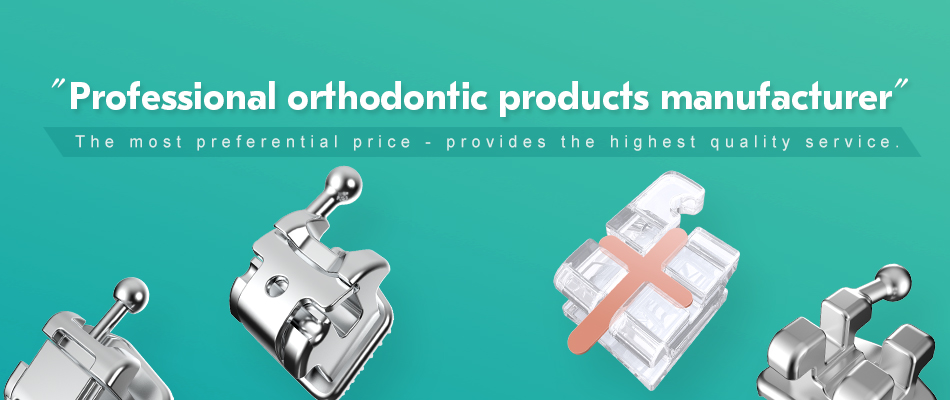

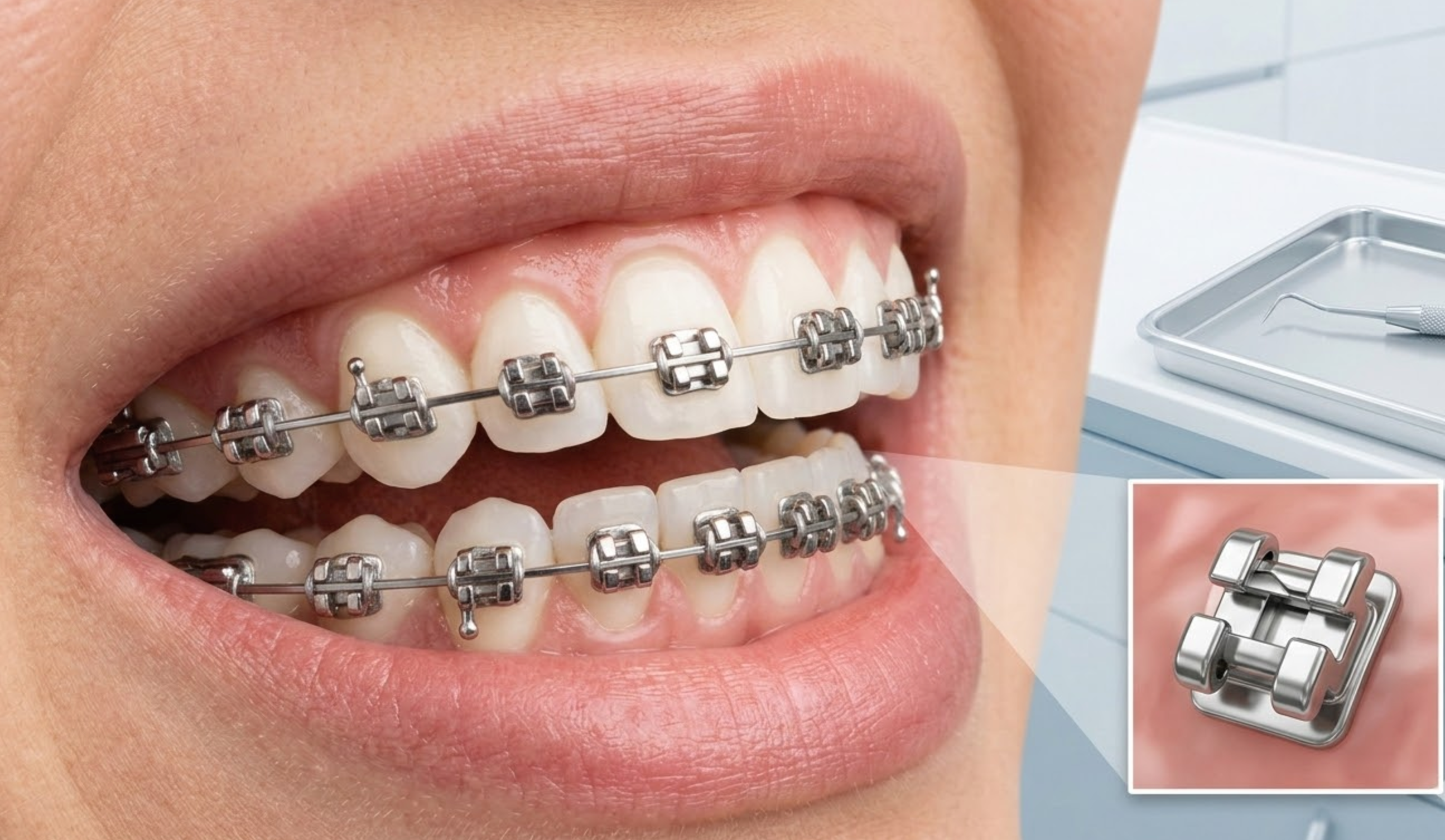
Self-ligating brackets feature a unique design that significantly minimizes friction during orthodontic treatment, contributing to friction reduction braces. This reduction in friction leads to enhanced comfort in orthodontics, making the experience more pleasant for patients. A survey revealed that 66.8% of orthodontists believe these brackets improve patient comfort. Understanding the mechanics behind self-ligating benefits sheds light on their advantages, including improved wire movement efficiency and a favorable clinical friction comparison. Additionally, many wonder, “Are self-ligating brackets faster?” The answer often lies in their design, which promotes greater efficiency throughout the treatment process.
Key Takeaways
- Self-ligating brackets reduce friction, leading to a more comfortable orthodontic experience.
- These brackets can shorten treatment time by 6 to 9 months compared to traditional braces.
- Patients enjoy fewer appointments due to the efficient design of self-ligating brackets.
- The built-in mechanism of self-ligating brackets promotes better oral hygiene and easier cleaning.
- Overall satisfaction with self-ligating brackets is higher, making them a preferred choice for many patients.
Mechanism of Action
Design Features
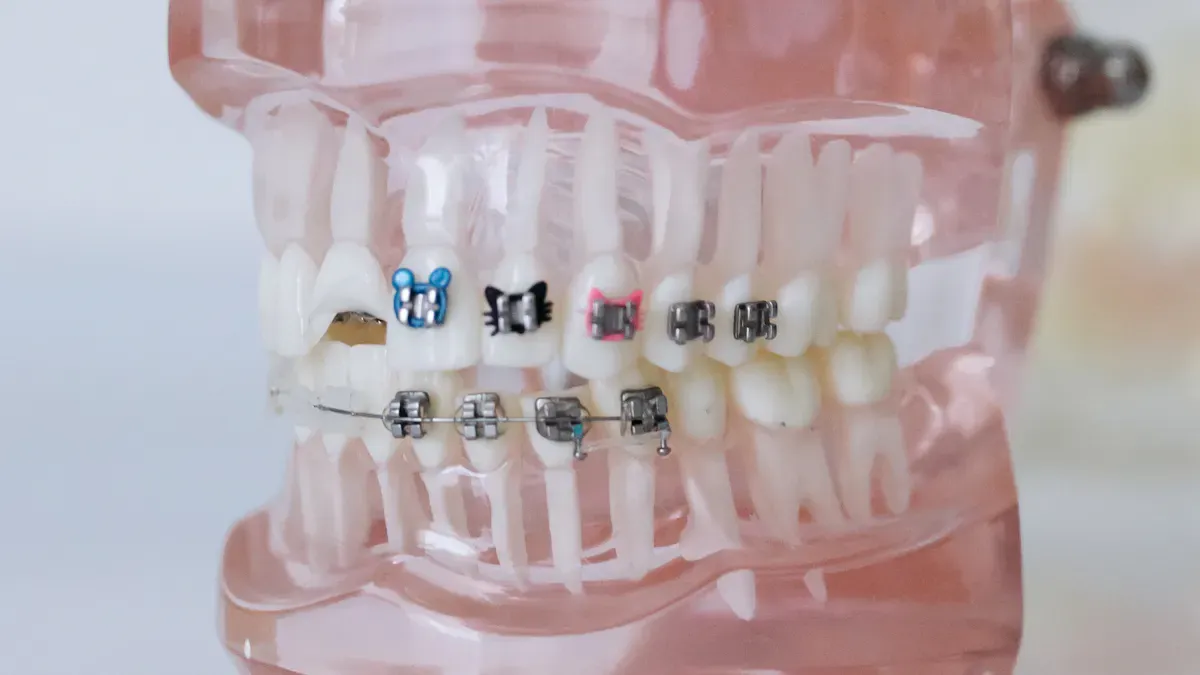
Self-ligating brackets possess distinct design features that set them apart from traditional braces. These brackets utilize a built-in clip mechanism, which secures the archwire without the need for elastic ties or metal ligatures. This innovative design minimizes friction and enhances the efficiency of tooth movement. The Damon system, a popular type of self-ligating bracket, exemplifies this approach. It features a sliding metal gate that allows the archwire to engage smoothly, reducing resistance during treatment.
The following table summarizes the key mechanical differences between self-ligating brackets and conventional brackets:
| Feature | Self-Ligating Brackets | Conventional Brackets |
|---|---|---|
| Ligature Type | Uses a sliding cover or latch | Requires additional ligatures |
| Frictional Resistance | Lower frictional forces reported | Higher frictional resistance |
| Archwire Compatibility | More effective with small round archwires | Effective with rectangular archwires but may increase friction |
| Design | Larger slot dimensions for better wire movement | Standard slot dimensions |
Sliding Mechanism
The sliding mechanism in self-ligating brackets plays a crucial role in reducing friction. This mechanism allows the archwire to slide freely through the bracket, minimizing resistance compared to traditional braces. Research indicates that self-ligating brackets produce significantly less friction than their conventional counterparts.
Active self-ligating brackets utilize a built-in mechanism that secures the archwire without elastic ties. A small, spring-loaded door or clip closes over the archwire, applying light, consistent pressure. This design facilitates smoother tooth movement and enhances biological responses, contributing to the overall effectiveness of treatment.
In contrast, traditional braces rely on ligatures, which create friction and can hinder tooth movement. The design of self-ligating brackets allows for greater mobility, potentially leading to faster treatment times. Studies consistently show that passive self-ligating brackets exhibit lower frictional resistance, further supporting their advantages in orthodontic care.
Benefits of Self-Ligating Brackets
Faster Treatment Times
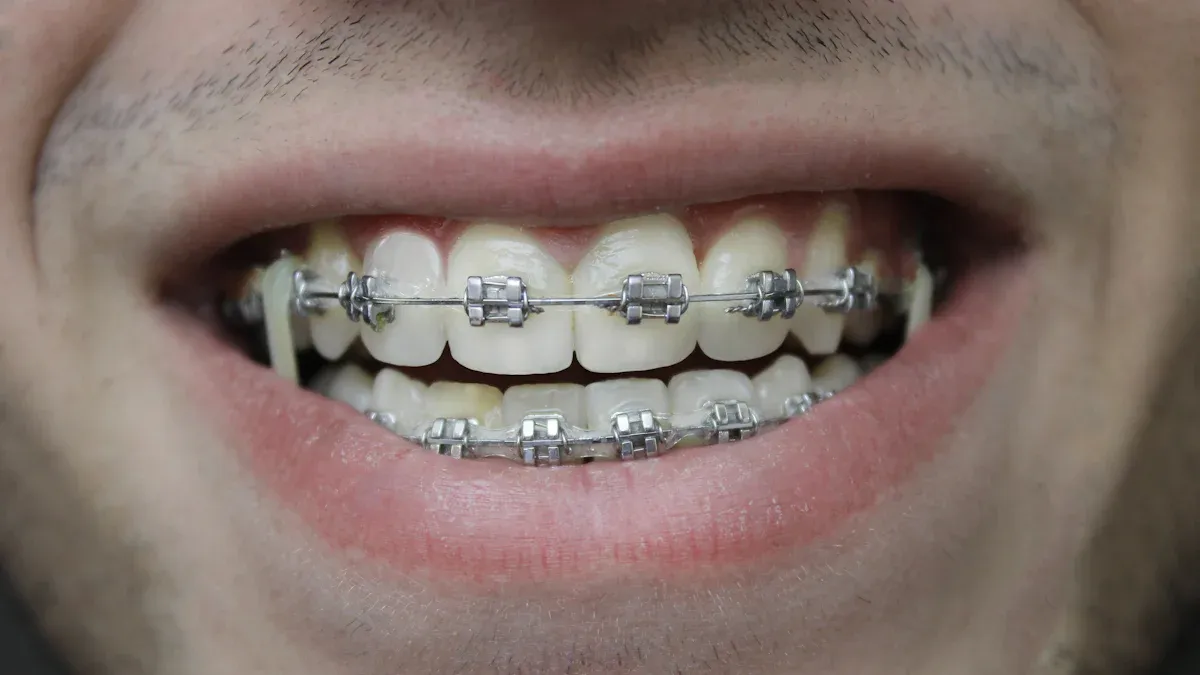
Self-ligating brackets significantly enhance the efficiency of orthodontic treatment. Their unique design allows for smoother archwire movement, which can lead to faster alignment of teeth. Research indicates that self-ligating brackets can reduce treatment time by an average of 6 to 9 months compared to traditional braces. This reduction in time is attributed to the lower frictional forces present in self-ligating systems.
Additionally, the absence of elastic ties in these brackets minimizes the need for frequent adjustments. Patients often experience fewer appointments, which can be a considerable advantage for those with busy schedules. A study found that self-ligating brackets typically require about six appointments throughout the treatment process, while traditional braces may necessitate more frequent visits. This efficiency not only saves time but also enhances the overall patient experience.
Reduced Discomfort
Patients often express concerns about discomfort during orthodontic treatment. Self-ligating brackets address this issue effectively. The built-in mechanism that secures the archwire applies gentle, consistent pressure on the teeth, which can lead to a more comfortable experience.
A comparison of pain scales reveals that self-ligating brackets do not significantly reduce discomfort compared to traditional braces. However, patients report similar pain experiences with both types of brackets. The following table summarizes the pain assessment tools used in studies evaluating discomfort:
| Pain Scale/Outcome | Description |
|---|---|
| Visual Analogue Scale (VAS) | A quantitative tool for measuring pain intensity. |
| Moroccan Short Form of the McGill Pain Questionnaire | A qualitative tool for assessing pain characteristics. |
Despite the comparable discomfort levels, self-ligating brackets facilitate better oral hygiene. Their design allows for easier cleaning around the braces, reducing plaque accumulation and promoting healthier oral tissue. This aspect is crucial, as improved oral hygiene can lead to a more pleasant orthodontic experience overall.
Comparison with Traditional Braces
Friction Levels
Friction levels play a crucial role in orthodontic treatment efficiency. Self-ligating brackets consistently demonstrate lower frictional resistance compared to traditional braces. For instance, a study by Hain et al. found that self-ligating brackets exhibited significantly lower friction resistance than both steel-tied and elastomeric-tied brackets. Another study indicated that friction in conventionally ligated brackets was 36.5% stronger than in passive self-ligating brackets.
The following table summarizes key findings from various studies on friction levels:
| Study | Findings |
|---|---|
| Hain et al. | Self-ligating brackets showed lower friction resistance compared to steel-tied and elastomeric-tied brackets. |
| Bazakidou et al. | Elastomeric-tied brackets exhibited lower friction than steel-tied brackets. |
| Study on friction during space closure | Conventional brackets showed stronger resistance compared to self-ligating brackets. |
Self-ligating brackets produce lower static frictional forces, especially during the initial stages of treatment. This characteristic allows for smoother tooth movement, contributing to the overall effectiveness of orthodontic care.
Patient Experience
Patient experience significantly influences the choice of orthodontic treatment. Surveys indicate that patients often report higher satisfaction rates with self-ligating brackets compared to traditional braces. A systematic review assessed patient satisfaction after orthodontic treatment, revealing that self-ligating brackets enhance oral health-related quality of life.
Patients using self-ligating brackets also experience fewer oral hygiene challenges. The design of these brackets reduces the accumulation of food and plaque, making maintenance easier. The following table highlights the differences in oral hygiene requirements between the two types of braces:
| Type of Braces | Oral Hygiene Challenges | Maintenance Ease |
|---|---|---|
| Traditional Braces | Elastic bands can trap food and plaque, complicating hygiene | Requires more frequent cleanings |
| Self-Ligating Braces | Fewer places for food and plaque to accumulate | Easier brushing and flossing promotes better dental health |
Overall, self-ligating brackets not only reduce friction but also enhance the patient experience, making them a preferred choice for many individuals seeking orthodontic treatment.
Patient Testimonials
Real-Life Experiences
Patients frequently share positive experiences with self-ligating brackets. Many report a noticeable difference in comfort compared to traditional braces. They often describe the adjustment period as manageable, with less pressure felt on their teeth. Although some discomfort may peak within the first two days, most find it tolerable. This feedback highlights the overall satisfaction with the self-ligating design.
“Switching to self-ligating brackets was a game-changer for me. I felt less pressure and discomfort during treatment,” one patient noted.
Comfort Levels Compared to Traditional Braces
Patients consistently express higher comfort levels with self-ligating brackets. They appreciate the gentle, consistent forces applied to their teeth, which reduce soreness. The absence of elastic ligatures simplifies oral hygiene, making it easier to maintain dental health.
- Many patients report:
- Higher comfort levels with self-ligating brackets compared to traditional braces.
- Less pressure, contributing to a more pleasant orthodontic journey.
- A more enjoyable experience due to the lack of elastic bands that can cause irritation.
Additionally, patients note that self-ligating brackets lead to fewer emergency visits. The design minimizes discomfort and friction, allowing for smoother tooth movement. They also enjoy less frequent appointments, with adjustments scheduled every 4 to 12 weeks, which is convenient for busy lifestyles.
However, some patients mention experiencing different types of pain, such as ‘chewing/biting’ pain, compared to the ‘constant’ pain reported with conventional brackets. Despite this, the overall comfort remains comparable, with many preferring the self-ligating option for its convenience and ease of care.
Self-ligating brackets provide significant advantages in reducing friction and enhancing comfort during orthodontic treatment. Patients can expect a more pleasant experience with these innovative brackets, which facilitate smoother tooth movement. Research indicates that self-ligating brackets contribute to long-term stability in orthodontic results, suggesting that patients are less likely to experience relapse over time.
Orthodontists often prefer self-ligating brackets due to their improved cleanliness and reduced discomfort. While the initial cost may be higher, the potential for fewer appointments can lead to long-term savings. Overall, choosing self-ligating brackets can lead to better treatment outcomes and a more satisfying orthodontic journey.
FAQ
What are self-ligating brackets?
Self-ligating brackets are orthodontic devices that use a built-in mechanism to hold the archwire in place. This design eliminates the need for elastic ties, reducing friction and enhancing comfort during treatment.
How do self-ligating brackets improve comfort?
These brackets apply gentle, consistent pressure on teeth, minimizing discomfort. Their design allows for smoother tooth movement, which leads to a more pleasant orthodontic experience compared to traditional braces.
Are self-ligating brackets more expensive?
Self-ligating brackets often have a higher initial cost than traditional braces. However, their efficiency may lead to fewer appointments, potentially offsetting the higher upfront investment over time.
How long does treatment with self-ligating brackets take?
Treatment duration varies by individual needs. However, studies suggest that self-ligating brackets can reduce treatment time by an average of 6 to 9 months compared to conventional braces.
Can anyone use self-ligating brackets?
Most patients are suitable candidates for self-ligating brackets. However, orthodontists evaluate individual cases to determine the best treatment option based on specific dental needs and conditions.
Post time: Mar-12-2026